Sofala
Sofala Province
We, www.tobizi.com consider Sofala “The Gateway Province – where rivers, wildlife, and the ocean meet.”
Sofala, Mozambique’s “Gateway to the Indian Ocean,” is a province of historic ports, mangrove ecosystems, and cultural resilience. Known for the city of Beira, Mozambique’s second‑largest urban center, and for its rich coastal landscapes, Sofala offers travelers a mix of maritime history, vibrant culture, and natural beauty.
Location & Context
-
Province: Sofala, central Mozambique
-
Area: 68,018 km²
-
Capital: Beira, located on the Púnguè River delta
-
Population: Around 2 million inhabitants
-
Climate: Tropical humid; rainy season from November to March, dry season from May to September
Main Attractions
-
Beira City:
-
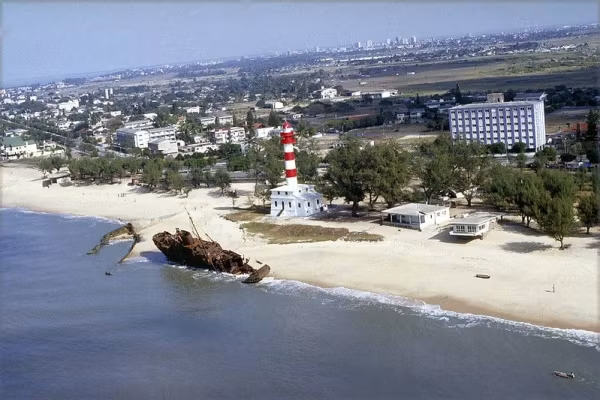
Historic port and lighthouse at Macuti
-
Cathedral of Beira and colonial architecture
-
Vibrant markets and cultural centers
-
-
Praia do Macuti:
-
Scenic beach with shipwrecks and coastal views
-
Popular for photography and relaxation
-
-
Gorongosa National Park (northern Sofala):
-
Iconic conservation area with lions, elephants, hippos, and diverse birdlife
-
Safari experiences and eco‑tourism lodges
-
Symbol of Mozambique’s environmental restoration
-
-
Mangrove Ecosystems:
-
Rich biodiversity along the Púnguè and Buzi rivers
-
Boat trips and birdwatching opportunities
-
Culture & Identity
-
Ethnic groups: Sena, Ndau, and others
-
Traditions:
-
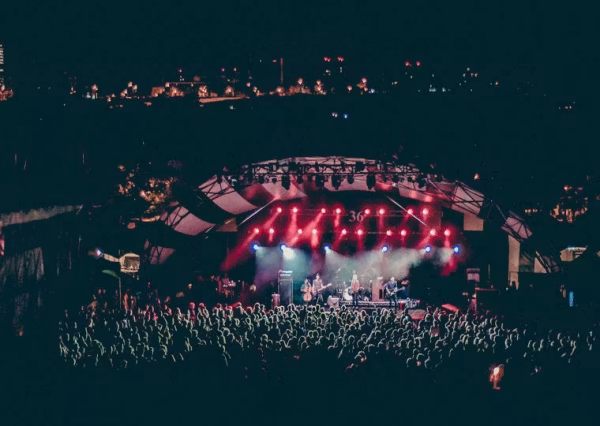
Sena dances and music during community festivals
-
Strong coastal culture linked to fishing and trade
-
-
Languages: Portuguese, Sena, Ndau
Gastronomy
-
Local specialties:
-
Fresh prawns and crab from Beira’s coast
-
Matapa (cassava leaves with peanuts and coconut)
-
Frango à zambeziana (chicken with coconut and spices)
-
-
Food scene: Street stalls, seafood restaurants, and riverside dining
Access & Mobility
-
By air: Beira International Airport with flights from Maputo, Johannesburg, and Nairobi
-
By sea: Historic port of Beira, gateway for trade and travel
-
Local transport: Chapas (minibuses), taxis, and boats along rivers and coast
Practical Tips from www.tobizi.com
-
Best season: May–September (dry season) for safaris and coastal visits
-
Safety: Moderate; travelers should be cautious during cyclone season
-
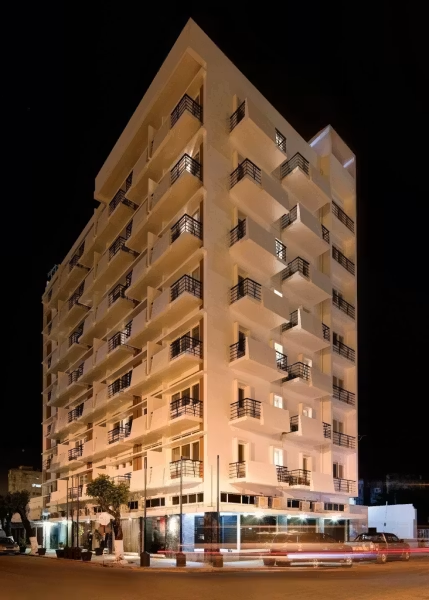
Accommodation: Hotels in Beira, eco‑lodges near Gorongosa, and guesthouses along the coast.